
What is heart bypass surgery?
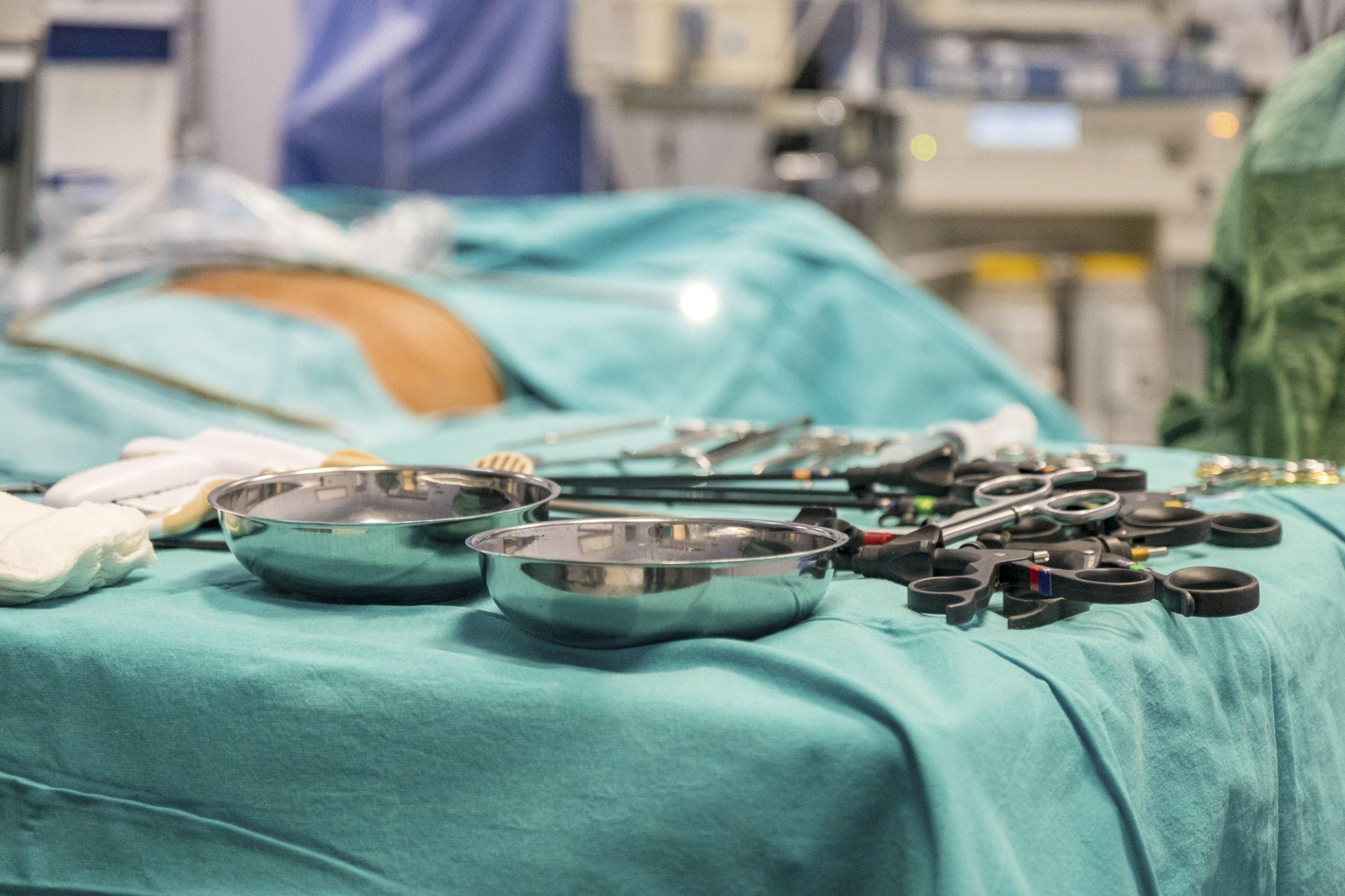
Heart bypass surgery, also known as coronary artery bypass grafting (CABG), is a surgical procedure used to treat heart disease. The procedure involves rerouting blood flow around a blocked or narrowed section of an artery in the heart, using a graft made from a blood vessel taken from another part of the body.
Heart disease is caused by the buildup of fatty deposits in the arteries that supply blood to the heart muscle. This buildup, known as plaque, can narrow or block the arteries, reducing blood flow and oxygen to the heart muscle. This can cause chest pain, shortness of breath, and other symptoms. In severe cases, a heart attack can occur, which can be life-threatening.
Heart bypass surgery is typically recommended for patients who have severe blockages in their coronary arteries and who have not responded to other treatments, such as medication or lifestyle changes. The surgery is also used to treat other heart conditions, such as congenital heart defects and damaged heart valves.
The Procedure
Heart bypass surgery is a major procedure that typically takes several hours to complete. The surgery is usually performed under general anesthesia, which means the patient is asleep and does not feel any pain.
During the surgery, the surgeon makes a large incision in the chest and separates the breastbone to expose the heart. The surgeon then takes a blood vessel from another part of the body, such as the leg or chest, and uses it to create a new route for blood to flow around the blocked or narrowed section of the coronary artery. The new blood vessel is attached to the aorta, the main artery that carries blood from the heart to the rest of the body, and to the coronary artery beyond the blockage.
The number of bypass grafts needed depends on the severity and location of the blockages in the coronary arteries. The surgery may involve one, two, three, or more bypass grafts.
Recovery and Rehabilitation
After the surgery, the patient is taken to the intensive care unit (ICU) for close monitoring. The patient will be connected to several machines that measure vital signs, such as heart rate, blood pressure, and oxygen levels. Pain medication will be given to manage any discomfort.
Most patients stay in the hospital for several days after the surgery, depending on their overall health and the extent of the surgery. During this time, the medical team will monitor the patient's progress and provide instructions for post-operative care and rehabilitation.
The recovery and rehabilitation period after heart surgery bypass can be lengthy and challenging. Patients are encouraged to engage in physical therapy to help regain strength and mobility. The therapy may involve exercises to improve breathing, endurance, and flexibility.
Patients will also need to make lifestyle changes, such as following a healthy diet, quitting smoking, and exercising regularly. These changes can help reduce the risk of future heart problems.
Risks and Complications
Heart bypass surgery is a major surgical procedure that carries some risks and potential complications. These can include:
- Bleeding
- Infection
- Blood clots
- Stroke
- Heart attack
- Lung problems
- Kidney problems
The risk of complications varies depending on the patient's overall health, age, and the extent of the surgery. The medical team will discuss the risks and potential complications with the patient before the surgery.
Conclusion
Heart bypass surgery is a major surgical procedure that can help improve blood flow to the heart and reduce the risk of heart problems. The procedure is typically recommended for patients with severe blockages in the coronary arteries who have not responded to other treatments.
While heart surgery bypass can be effective, it is not without risks and potential complications. Patients should work closely with their medical team to understand the risks and benefits of the surgery and to develop a comprehensive plan for recovery and rehabilitation.